Adventurer with happy customer
Kenya Travel Guide explores the best times to visit, how to get there, where to stay, must-see destinations, and thrilling activities to create your dream Kenya Safari.
“Your Journey, Your Comfort, Your Adventure.”
The best wildlife viewing in Kenya is during the dry seasons, from June to October and January to February. Animals gather around water sources, making them easier to spot in places like the Maasai Mara National Reserve. The famous Great Migration also peaks between July and October, offering unforgettable safari experiences across Kenya’s iconic savannah landscapes.
Yes, Kenya is a year-round destination with diverse climates across regions. Coastal areas like Mombasa are warm throughout the year, while highland areas such as Mount Kenya are cooler. Even during rainy seasons, travel remains possible, with fewer crowds, lush scenery, and excellent birdwatching opportunities in national parks and reserves.
To witness the Great Migration, plan your visit between July and October when millions of wildebeest cross into Kenya’s Maasai Mara National Reserve. River crossings are the most dramatic moments, attracting predators and photographers alike. Timing can vary slightly each year depending on rainfall, so flexibility in travel dates improves your chances of seeing this spectacular natural event.
Kenya’s climate varies by region but generally includes dry and wet seasons. Dry months are sunny and ideal for safari, while rains occur from March to May and October to December. Areas around Mount Kenya are cooler, whereas coastal destinations like Mombasa stay warm and humid, offering beach-friendly weather most of the year.
The most affordable time to visit Kenya is during the long rainy season from March to May. Lodges and safari packages in destinations like the Maasai Mara National Reserve often offer discounts, and there are fewer tourists. Although some roads may be challenging, the landscapes are lush, wildlife is still present, and photography conditions can be uniquely rewarding.
Kenya is generally safe for tourists, especially in established destinations like Nairobi and the Maasai Mara National Reserve. Visitors should stay alert, avoid poorly lit areas at night, and follow local advice. Using reputable tour operators and secure accommodations enhances safety, allowing travellers to enjoy Kenya’s wildlife, landscapes, and cultural experiences with confidence and peace of mind.
Safaris in Kenya are safe when arranged through licensed operators. Parks like Amboseli National Park and Maasai Mara National Reserve follow strict safety guidelines. Guides are trained to handle wildlife encounters, and visitors must remain inside vehicles unless instructed otherwise. Following park rules ensures a secure and enjoyable safari while experiencing Kenya’s incredible animals and natural beauty.
Nairobi is a popular gateway city with modern amenities and tourist-friendly areas. While generally safe, travellers should exercise caution by avoiding isolated neighbourhoods, especially after dark, and using trusted transportation. Keeping valuables discreet and staying in secure accommodations reduces risks. With awareness and sensible precautions, visitors can safely explore Nairobi’s culture, dining, and attractions.
Travellers to Kenya should take health precautions before and during their trip. Vaccinations and malaria prevention are commonly recommended, particularly for visits to rural regions and parks like the Maasai Mara National Reserve. Drinking bottled water and maintaining food hygiene are important. Access to healthcare is available in cities, but travel insurance is strongly advised for added security.
Travellers in Kenya should follow basic safety practices, such as avoiding walking alone at night, securing belongings, and using licensed guides. When visiting destinations like Diani Beach or Nairobi, stay aware of your surroundings and respect local customs. Monitoring travel advisories and planning ahead ensures a smooth, safe, and enjoyable journey throughout Kenya.
On a Kenya safari, meals often include a mix of international and local dishes. You may find grilled meats, fresh vegetables, soups, and staples like ugali and nyama choma. Lodges near Maasai Mara National Reserve usually provide buffet-style dining, catering to different dietary preferences while offering authentic Kenyan flavours alongside familiar global cuisine options.
Food on safari is generally safe, especially at reputable lodges and camps in areas like Amboseli National Park. Meals are prepared using hygienic practices, and most accommodations maintain high standards. It’s advisable to drink bottled water and avoid raw or undercooked foods in remote areas. Following basic precautions ensures a safe and enjoyable culinary experience throughout your Kenya safari adventure.
Yes, most safari lodges in Kenya accommodate vegetarian, vegan, and special dietary needs. Camps in destinations like Maasai Mara National Reserve offer diverse menus with fresh fruits, vegetables, grains, and plant-based dishes, including options like sukuma wiki. Informing your tour operator in advance ensures your dietary requirements are met comfortably during your safari stay.
While on safari, travellers should try traditional dishes such as ugali, nyama choma, and chapati. These meals are often served in lodges near the Maasai Mara National Reserve. Sampling local cuisine enhances the cultural experience and offers insight into Kenya’s rich culinary traditions during your safari journey.
Yes, many safari lodges in Kenya provide international cuisine alongside local dishes. In areas like Amboseli National Park, menus often include continental breakfasts, pasta, grilled meats, and desserts. This balance ensures comfort for international travellers while still offering authentic flavours such as nyama choma, creating a well-rounded dining experience during your safari stay.
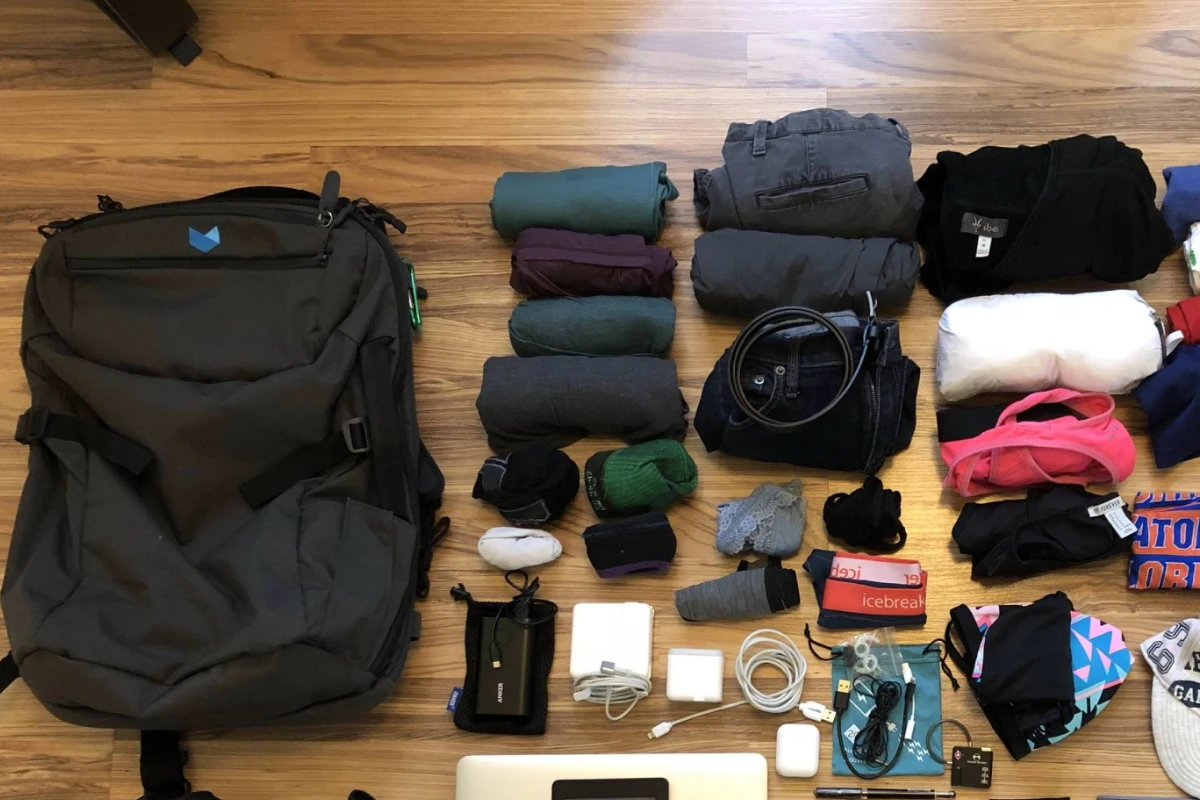
Pack lightweight, neutral-colored clothing, a wide-brim hat, sunglasses, and comfortable walking shoes. Essentials include sunscreen, insect repellent, a reusable water bottle, and a camera. For game drives in Maasai Mara National Reserve, bring binoculars and a light jacket for early mornings. A small daypack helps organise items while exploring Kenya’s wildlife-rich landscapes and safari camps.
The best clothing for a Kenya safari includes breathable fabrics in neutral tones like khaki, beige, and green. These colours help blend into environments such as Amboseli National Park. Pack long-sleeve shirts and trousers for sun and insect protection, along with a warm layer for cool mornings. Comfortable, closed-toe shoes are essential for walking and outdoor activities.
Special gear enhances your safari experience in Kenya. Binoculars are useful for spotting wildlife in areas like the Maasai Mara National Reserve, while a good camera with zoom captures distant animals. A power bank, flashlight, and universal adapter are practical additions. Though not mandatory, these items improve convenience and help you fully enjoy Kenya’s diverse and scenic safari environments.
Kenya’s weather can vary by region and time of day, so layering is key. Early mornings in parks like Amboseli National Park can be cool, while afternoons are warm. Pack a light jacket, breathable clothing, and a rain jacket if travelling during wet seasons. This flexible approach keeps you comfortable across Kenya’s diverse climates and safari conditions.
Avoid packing bright-coloured or camouflage clothing, as they can disturb wildlife or are restricted in Kenya. In protected areas like the Maasai Mara National Reserve, neutral attire is preferred. Leave behind unnecessary valuables and heavy luggage, as many camps have weight limits. Packing light and practical ensures a smoother safari experience and easier travel between destinations.
A Kenya safari cost varies widely based on travel style, season, and accommodation. Budget safaris may start around $150 per day, while luxury options can exceed $1,000 daily. Visiting iconic destinations like Maasai Mara National Reserve often costs more due to demand. Prices usually include accommodation, meals, park fees, and guided game drives for a complete experience.
Several factors influence safari costs in Kenya, including accommodation type, travel season, park fees, and group size. Popular parks like Amboseli National Park may have higher fees. Luxury lodges, private guides, and flights increase expenses, while group tours and off-season travel can reduce costs, making safaris more accessible for different budgets and travel preferences.
A Kenya safari is widely considered worth the cost due to its unique wildlife experiences and stunning landscapes. Visiting places like the Maasai Mara National Reserve offers close encounters with iconic animals and breathtaking scenery. The combination of expert guides, comfortable lodges, and unforgettable safari adventures provides excellent value for travellers seeking a once-in-a-lifetime experience in Africa.
Yes, Kenya offers budget-friendly safari options for travellers. Group tours, camping safaris, and visits to parks like Amboseli National Park can lower costs significantly. Travelling during the shoulder or rainy seasons also helps reduce prices. While more basic, these options still provide excellent wildlife viewing and memorable experiences across Kenya’s diverse natural landscapes.
Most Kenya safari packages include accommodation, meals, park entry fees, and guided game drives. In top destinations like Maasai Mara National Reserve, packages may also cover airport transfers and local flights. However, extras like tips, drinks, and optional activities are usually not included, so travellers should review itineraries carefully when planning their safari budget.
A Kenya safari stands out for its iconic wildlife, diverse landscapes, and rich cultural experiences. Destinations like the Maasai Mara National Reserve offer an exceptional safari to witness the Great Migration. From savannahs to lakes and mountains, Kenya provides varied ecosystems, expert-guided game drives, and authentic interactions with local communities, creating a memorable African safari adventure.
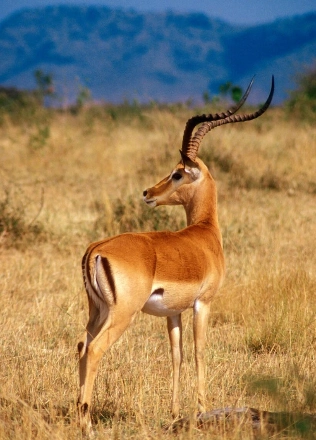
Kenya is home to the “Big Five” — lions, elephants, leopards, rhinos, and buffalo — along with giraffes, zebras, and cheetahs. Parks like Amboseli National Park and Maasai Mara National Reserve provide an excellent safari for wildlife sightings. Birdlife is also abundant, making Kenya a paradise for nature lovers and photographers seeking diverse and spectacular animal encounters.
A typical Kenya safari lasts between 5 to 10 days, allowing enough time to explore multiple parks such as the Maasai Mara National Reserve and Amboseli National Park. Shorter safaris of 3 days are possible but may feel rushed. Longer trips provide a more relaxed pace, better wildlife viewing opportunities, and the chance to experience Kenya’s varied landscapes and cultures.
Yes, having a professional guide is highly recommended for a Kenya safari. Experienced guides in areas like the Maasai Mara National Reserve understand animal behaviour, track wildlife, and ensure safety. They also provide valuable insights into ecosystems and local culture, greatly enhancing the overall experience while helping travellers make the most of their time in Kenya’s national parks.
Kenya offers a range of safari experiences, including game drives, walking safaris, and hot air balloon rides over the Maasai Mara National Reserve. Visitors can also explore parks like Lake Nakuru National Park, known for its birdlife and scenic views. These safari options cater to different interests, making Kenya suitable for adventure seekers, photographers, and luxury travellers alike.
Uganda felt raw, green, and honest. Gorilla trekking in Bwindi was emotional, but I also loved Queen Elizabeth’s boat safari and quiet village walks. The people made the journey feel personal.
From arrival to stargazing – See How We Turn Escapes Into Lasting Memories.
Over 2000 Reviews
Table of Contents
ToggleCopyright © 2026 Anthill Safaris All Rights Reserved. Designed by Safari Marketing Pro