
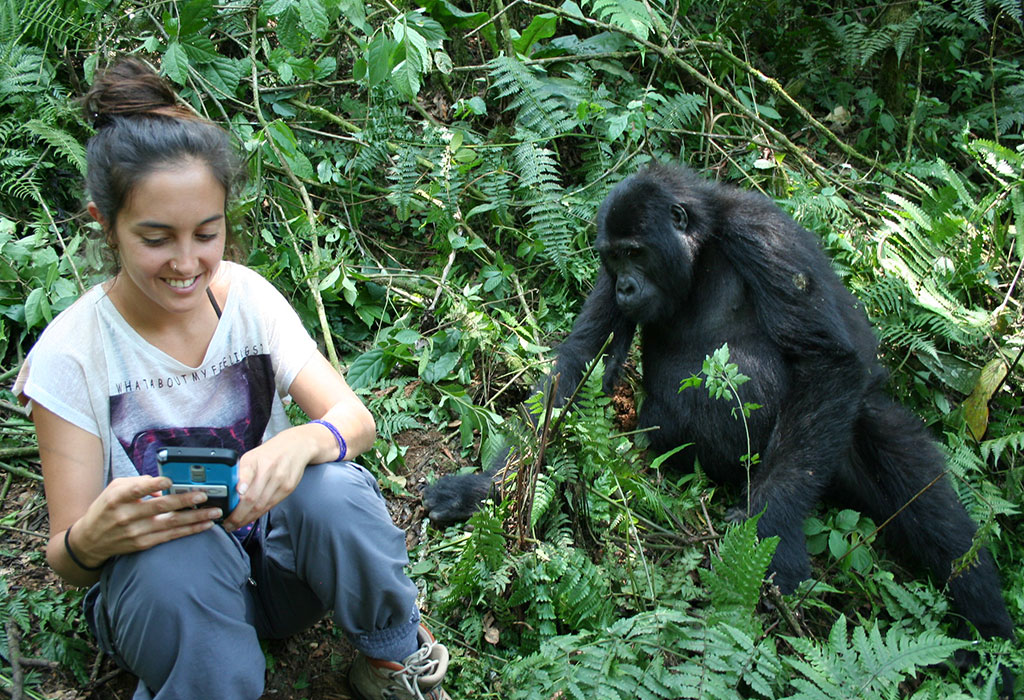
Is January a Good Month for Gorilla Trekking? January stands out as one of the premier months for gorilla trekking in East Africa, offering visitors an exceptional combination of favorable weather conditions, manageable trail accessibility, and rewarding wildlife encounters. For those planning a 2026 adventure to see mountain gorillas in their natural habitat, January presents unique advantages that make it particularly appealing. This period falls within the short dry season, creating ideal circumstances for trekking through the dense rainforests of Uganda, Rwanda, and the Democratic Republic of the Congo. Whether you’re a first-time visitor or a returning enthusiast, understanding why January excels as a trekking month will help you make the most informed decision for your gorilla encounter.
Why January Stands Out for Gorilla Trekking
January is widely regarded as one of the most rewarding months for gorilla trekking, and this reputation is well-deserved. The month falls squarely within the short dry season that typically spans from late December through February, creating a window of opportunity when conditions align perfectly for forest exploration and primate observation.
Optimal Weather Conditions
The weather in January is characterized by clear skies, bright sunny mornings, and significantly reduced rainfall compared to the wet seasons. This creates a more comfortable trekking experience overall, as the reduced humidity makes the physical exertion of hiking through mountainous terrain less taxing on visitors. The tropical rainforest environment, while still lush and verdant, experiences lower precipitation levels during this period, meaning you’re less likely to encounter the heavy downpours that can occur during March through May or October through November.
The pleasant weather also enhances the overall experience beyond just the trek itself. Morning briefings at park headquarters are more comfortable, and the journey to trailheads is smoother when roads aren’t affected by heavy rains. The crisp morning air and clear visibility create ideal conditions for photography, allowing you to capture stunning images of both the landscape and the gorillas themselves.
Superior Trekking Conditions
Perhaps the most significant advantage of January trekking relates to trail conditions. During the wet seasons, the forest paths become extremely muddy, slippery, and challenging to navigate. The combination of steep terrain and slick mud can make even short treks quite demanding and occasionally hazardous. In January, however, the trails are considerably firmer and more stable underfoot, reducing the risk of slips and falls while making the overall hiking experience more enjoyable.
The drier conditions also mean that vegetation tends to be somewhat less dense and overgrown compared to the peak wet season. This improved visibility serves multiple purposes: it makes it easier for trackers to locate gorilla families, provides better sightlines for photographers hoping to capture clear images of the primates, and generally allows for a more immersive viewing experience once you encounter your gorilla family.
Enhanced Wildlife Sightings
The dry season brings interesting changes to gorilla behavior that can work in trekkers’ favor. As water sources become more concentrated and food availability shifts, gorillas often adjust their ranging patterns. During drier periods, food tends to be more localized in certain areas of the forest, which can cause gorilla families to forage at lower altitudes than they might during wetter months when food is more widely distributed throughout the forest.
This behavioral adaptation can potentially reduce the duration and difficulty of treks, as you may not need to climb as high into the mountains to reach the gorillas. While trek length always varies depending on where the gorillas spent the previous night and their morning movements, the January dry season offers favorable odds for more accessible encounters.
Tourist Volume Considerations
While January is considered a peak month due to its excellent conditions, it occupies an interesting middle ground in terms of tourist volume. It typically sees fewer visitors than the mid-year peak season from June through August, when European and American summer vacations drive higher demand. Similarly, it avoids the intense December holiday rush when travelers flood to East Africa for year-end getaways.
This moderate tourist volume means you’re more likely to secure permits on your preferred dates (with booking) and may enjoy a more intimate, less crowded experience both on the trails and at lodges. The atmosphere feels less hurried, and the overall experience can be more personal and meaningful.
Key Destinations and Permit Requirements
Gorilla trekking permits are the golden ticket to this once-in-a-lifetime experience, and understanding the costs and logistics is essential for proper planning.
Uganda: Bwindi Impenetrable National Park and Mgahinga Gorilla National Park
Uganda offers exceptional gorilla trekking opportunities across two primary locations. Bwindi Impenetrable National Park is the larger and more famous of the two, home to roughly half of the world’s remaining mountain gorillas. The park features multiple sectors—Buhoma, Ruhija, Rushaga, and Nkuringo—each offering different trekking experiences and gorilla families to visit.
Mgahinga Gorilla National Park, though smaller and with only one habituated gorilla family, provides equally authentic encounters and stunning volcanic landscapes as part of the Virunga mountain range.
Gorilla trekking permits in Uganda cost approximately $800 USD per person. This price point makes Uganda an attractive option for visitors seeking an authentic gorilla experience at a more accessible price compared to neighboring Rwanda. Uganda also offers a wider range of accommodation options, from budget-friendly guesthouses and mid-range lodges to luxury safari camps, allowing visitors to tailor their trip to their budget and preferences.
Rwanda: Volcanoes National Park
Rwanda has positioned itself as a premium gorilla trekking destination, with Volcanoes National Park serving as the country’s flagship wildlife attraction. The park played a central role in the conservation work of Dian Fossey and continues to be at the forefront of gorilla protection efforts.
Permits in Rwanda are priced at $1,500 USD per person, reflecting the country’s luxury tourism strategy. This higher price point supports extensive conservation efforts and community development programs while also managing visitor numbers to minimize impact on the gorillas. Rwanda offers predominantly high-end eco-lodges and luxury accommodations, creating an upscale safari experience from start to finish.
The advantage of Rwanda’s approach includes excellent infrastructure, shorter driving distances from the capital Kigali to the trekking sites, and meticulously managed tourism operations.
Democratic Republic of the Congo
For the more adventurous traveler, the DRC offers both mountain gorilla trekking in Virunga National Park and lowland gorilla trekking in Kahuzi-Biega National Park. These experiences can be more affordable than those in Rwanda and offer a different atmosphere. However, availability is subject to local security conditions, and travelers should carefully research current safety advisories before booking.
Essential Planning Considerations
Advance Permit Booking
Gorilla trekking permits are strictly limited to protect these endangered primates from excessive human contact and disease transmission. Each gorilla family can only be visited by a maximum of eight people per day, and with demand consistently high, permits sell out months in advance.
For a January 2026 trip, you should aim to secure your permits by early to mid-2025—ideally six to twelve months before your planned travel dates. This timeline ensures you have the best selection of available dates and accommodations. Booking through a reputable tour operator can simplify this process, as they often have permit allocations and can handle the logistics on your behalf.
Packing Essentials
Even during the dry season, you’ll be trekking through a tropical rainforest where conditions can change rapidly. Essential gear includes:
- Sturdy waterproof hiking boots with good ankle support and traction for muddy, uneven terrain
- Long-sleeved shirts and pants to protect against stinging nettles, thorns, and insects
- Gardening gloves or leather gloves to protect your hands when grabbing vegetation for support on steep slopes
- Lightweight rain jacket for unexpected showers that can occur even during dry months
- Wide-brimmed hat for sun protection during breaks in the canopy
- Insect repellent and sunscreen
- A camera with appropriate settings for low-light forest photography
Combining with Other Safari Activities
January is also an excellent time for general wildlife safaris throughout East Africa. In Uganda, parks like Queen Elizabeth National Park, Murchison Falls, and Kibale Forest offer spectacular game viewing and chimpanzee trekking. In Rwanda, Akagera National Park provides classic savanna wildlife experiences. The dry season concentrates animals around water sources, improving sighting opportunities for elephants, lions, leopards, buffalo, and numerous antelope species.
Many travelers combine gorilla trekking with these complementary safari experiences, creating comprehensive wildlife itineraries that showcase the remarkable biodiversity of the region.
Conclusion
January 2026 represents an ideal opportunity for gorilla trekking, combining favorable weather, excellent trail conditions, and moderate tourist volumes. By planning, securing permits early, and preparing properly for the trek, you’ll position yourself for an unforgettable encounter with one of our closest living relatives in their natural mountain habitat.





