An 8-day chimpanzee trekking and gorilla safari represents one of East Africa’s most comprehensive yet affordable primate adventures, skillfully combining Rwanda’s accessible entry point with Uganda’s exceptional wildlife diversity. This cross-border itinerary capitalizes on Kigali’s international connectivity while maximizing your wildlife encounters across Uganda’s most celebrated national parks. From the mist-shrouded mountains harboring endangered mountain gorillas to the ancient rainforests echoing with chimpanzee calls, this carefully designed tour delivers extraordinary primate experiences alongside classic savanna safaris, boat cruises teeming with wildlife, and serene lakeside relaxation, all within a manageable timeframe and budget.
Tour Overview and Key Advantages
This popular safari route cleverly utilizes Kigali International Airport as the gateway, offering several practical advantages for international travelers. Kigali’s modern airport infrastructure, reliable flight connections, and Rwanda’s streamlined visa procedures make it an increasingly preferred entry point for East African safaris. The relatively short drive from Kigali to Uganda’s southwestern parks, combined with good road conditions, means you can begin your wildlife adventures quickly after landing.
The tour’s routing demonstrates intelligent geographic planning, moving systematically through Uganda’s premier wildlife destinations without excessive backtracking. This west-to-east progression through Uganda’s parks maximizes your time observing wildlife rather than enduring long transit days, while the itinerary’s pacing balances active trekking days with more relaxed activities and scenic transfers.
Budget-conscious travelers particularly appreciate this itinerary because Uganda’s gorilla permits cost $800 compared to Rwanda’s $1,500, representing significant savings for the identical mountain gorilla experience. When combined with Uganda’s generally lower accommodation and service costs, this cross-border approach delivers exceptional value without compromising the quality or diversity of wildlife encounters.
Day-by-Day Itinerary Breakdown
Day 1: Arrival and Transfer to Bwindi Impenetrable National Park
Your African adventure begins upon landing at Kigali International Airport, where you’ll meet your experienced guide and safari vehicle. After brief formalities and a welcome briefing, you’ll embark on the scenic drive toward Uganda’s border, passing through Rwanda’s famously manicured countryside of terraced hillsides and vibrant communities. The journey to Bwindi Impenetrable National Park typically takes five to six hours, crossing into Uganda at the Cyanika or Katuna border post.
As you approach Bwindi, the landscape transforms dramatically. The park’s name proves entirely accurate—this ancient rainforest appears genuinely impenetrable, with dense vegetation cascading down steep mountain slopes. Upon arrival at your lodge, positioned strategically near one of Bwindi’s trekking sectors, you’ll have time to settle in, receive your gorilla trekking briefing, and rest in anticipation of tomorrow’s extraordinary encounter. Evening hours offer opportunities to enjoy your lodge’s amenities, perhaps taking in sunset views over the forest canopy while listening to the evening chorus of forest birds and distant chimpanzee calls.
Day 2: Mountain Gorilla Trekking in Bwindi
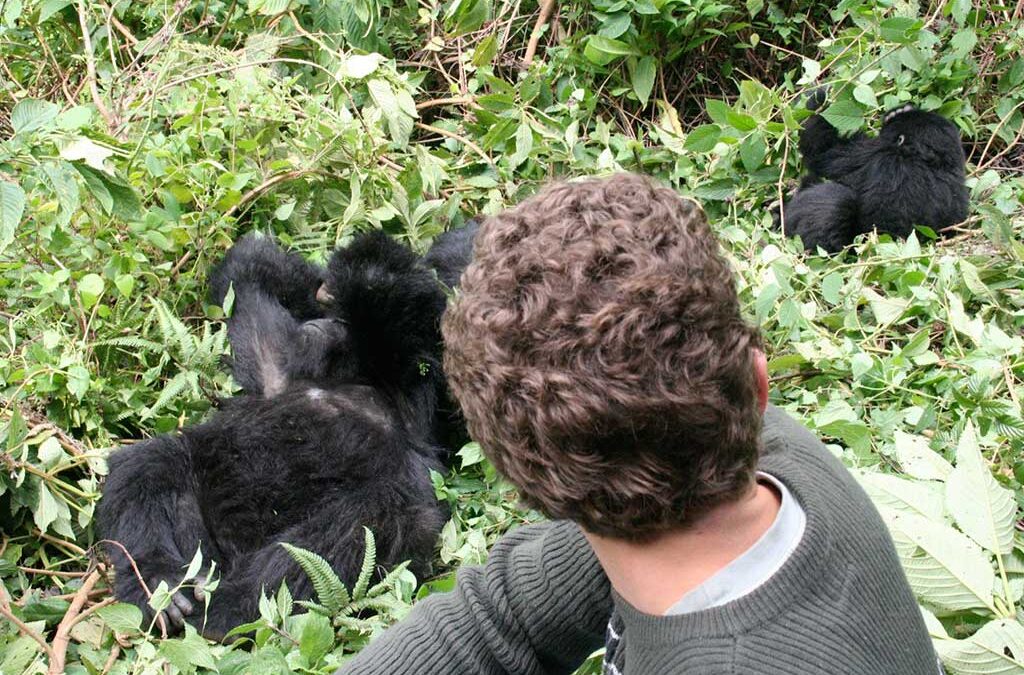 This day ranks among the most memorable experiences available anywhere in Africa. After an early breakfast, you’ll proceed to the park headquarters for a comprehensive briefing from Uganda Wildlife Authority rangers. These experts explain gorilla behavior, trekking protocols, safety guidelines, and the specific gorilla family you’ll visit. Bwindi harbors roughly half the world’s remaining mountain gorillas, distributed among numerous habituated families across different sectors.
Gorilla trekking difficulty varies considerably depending on which family you’re assigned and their location that morning. Treks may last anywhere from one to six hours through challenging terrain—steep slopes, thick vegetation, muddy paths, and high altitude all demand reasonable fitness. However, the moment you first glimpse these magnificent creatures, all physical discomfort evaporates instantly.
The hour spent observing your gorilla family proves utterly mesmerizing. Watching massive silverbacks maintain group cohesion, females tenderly caring for infants, juveniles playing boisterously, and the entire family going about their daily routines with apparent indifference to your presence creates profound connections and lasting memories. The gorillas’ remarkably human-like expressions, gestures, and family dynamics remind us of our shared evolutionary heritage and the urgent importance of protecting these critically endangered great apes.
After your trek, return to the lodge for a well-deserved rest, celebration of your achievement, and reflection on this bucket-list experience. Many lodges offer certificate presentations commemorating your gorilla encounter, and the evening provides opportunities to share stories with fellow trekkers.
Day 3: Transfer to Queen Elizabeth National Park
Departing Bwindi, your journey continues northward toward Queen Elizabeth National Park, Uganda’s most visited protected area. This approximately four-hour drive showcases Uganda’s remarkable landscape diversity, transitioning from mountain rainforest to rolling highlands and eventually the savanna ecosystems characteristic of the western Rift Valley.
Queen Elizabeth National Park’s 1,978 square kilometers encompass extraordinary habitat variety—from open grasslands to tropical forests, wetlands to crater lakes—supporting Uganda’s highest biodiversity count of any protected area. Upon arrival, you’ll proceed directly to an evening game drive, capitalizing on the late afternoon hours when wildlife becomes increasingly active as temperatures cool.
Evening game drives frequently produce exceptional sightings as predators begin hunting and herbivores emerge from daytime resting spots. The park’s population of tree-climbing lions in the Ishasha sector has gained international fame, while elephants, buffaloes, Uganda kobs, waterbucks, warthogs, and numerous other species roam the plains. The setting sun casting golden light across the savanna, with the dramatic Rwenzori Mountains forming a distant backdrop, creates magical photographic opportunities.
Day 4: Full Day in Queen Elizabeth National Park
 This full day dedicated to Queen Elizabeth National Park maximizes your wildlife viewing through complementary perspectives—morning game drives and afternoon boat cruises.
The morning game drive departs early, taking advantage of the cool hours when predators may still be active and prey species graze openly. Your experienced guide navigates productive areas, reading animal tracks, interpreting behavioral cues, and positioning the vehicle for optimal viewing and photography. Beyond large mammals, the park hosts over 600 bird species, making it a premier birding destination that delights ornithologists and casual observers alike.
The afternoon’s highlight arrives with your boat cruise along the Kazinga Channel, a natural waterway connecting Lake Edward and Lake George. This 32-kilometer channel attracts extraordinary wildlife concentrations, particularly during dry seasons when animals congregate around permanent water sources. From your comfortable boat position, you’ll observe enormous hippo pods—sometimes numbering hundreds of individuals—alongside Nile crocodiles basking on muddy banks, elephants drinking and bathing, buffalo herds, and spectacular birdlife including African fish eagles, pied kingfishers, malachite kingfishers, and various heron, stork, and ibis species.
The boat cruise offers unique photographic opportunities impossible during land-based game drives, with stable platforms, close wildlife approaches, and beautiful water reflections enhancing your images. The relaxed pace also provides welcome rest after several active days while maintaining consistent wildlife engagement.
Day 5: Journey to Kibale Forest National Park
Today’s relatively short transfer north to Kibale Forest National Park takes approximately three hours through scenic countryside, passing traditional villages, tea plantations, and increasingly forested terrain as you approach Uganda’s primate capital.
Kibale Forest National Park protects 795 square kilometers of primarily mid-altitude tropical rainforest, harboring East Africa’s highest primate diversity and density. The park’s thirteen primate species include over 1,500 chimpanzees alongside red colobus, black-and-white colobus, L’Hoest’s monkeys, blue monkeys, red-tailed monkeys, grey-cheeked mangabeys, and various nocturnal species. This remarkable primate community, combined with 375 bird species and stunning forest scenery, makes Kibale a naturalist’s paradise.
Upon arrival, settle into your lodge and perhaps enjoy a late afternoon nature walk around the property, where numerous primate species frequently visit and forest birds provide constant entertainment. The evening offers time to prepare for tomorrow’s chimpanzee trekking—ensuring appropriate clothing, checking camera equipment, and reviewing guidelines for primate encounters.
Day 6: Chimpanzee Trekking and Bigodi Swamp Walk
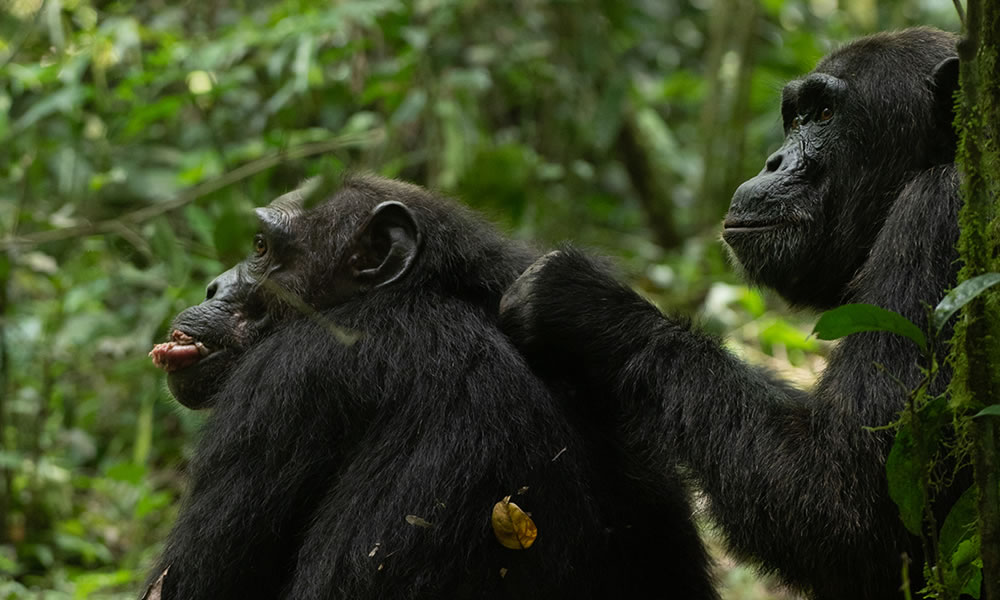 Your chimpanzee trek begins with an early morning briefing at Kanyanchu Visitor Center, where rangers explain chimpanzee behavior, trekking expectations, and observation protocols. Kibale’s chimpanzee trekking boasts high success rates—typically exceeding 90%—due to the habituated communities and experienced trackers who locate the chimps each morning before treks begin.
The trek through Kibale’s magnificent forest proves enchanting even before encountering chimpanzees. Towering trees create a cathedral-like atmosphere, while butterflies, forest birds, and various primate species provide constant interest. When you finally locate your chimpanzee community, the experience proves thrilling and dynamic—quite different from gorilla trekking’s contemplative observation.
Chimpanzees are incredibly active, vocal, and social. You might witness dramatic displays as males assert dominance, grooming sessions reinforcing social bonds, mothers nursing infants, juveniles playing acrobatically through the canopy, or feeding frenzies when the group discovers a fruiting tree. Their remarkable vocalizations—pant-hoots, screams, laughter, and drumming on buttress roots—echo through the forest, creating an unforgettable soundscape.
After your chimpanzee encounter, the afternoon brings the guided Bigodi Swamp Walk through pristine wetland habitat adjacent to Kibale. This community-managed conservation initiative showcases sustainable tourism’s benefits while offering excellent primate viewing, exceptional birding—including the rare and spectacular Great Blue Turaco—and insights into wetland ecology. The boardwalk system allows comfortable access through otherwise impenetrable swamps, and local guides share extensive knowledge about medicinal plants, traditional resource use, and community conservation efforts.
Day 7: Relaxation at Lake Bunyonyi
 After several days of intensive wildlife activities, today brings welcome relaxation at Lake Bunyonyi, often called Africa’s most beautiful lake. The approximately four-hour drive southward traverses spectacular scenery as you approach this mountain lake characterized by dramatically steep, terraced hillsides and numerous islands dotting its clear waters.
Lake Bunyonyi sits at 1,962 meters, making it one of Africa’s deepest lakes and pleasantly cool even on warm days. The afternoon’s canoe ride explores the lake’s islands, each with a unique history and character. Local guides share legends associated with various islands while pointing out kingfishers, cormorants, herons, and the beautiful grey-crowned cranes for which the lake is named—”Bunyonyi” means “place of many little birds” in the local language.
The serene environment provides perfect opportunities for reflection on your incredible week of primate encounters and wildlife viewing. Many travelers use this time for journaling, organizing photographs, or simply absorbing the peaceful atmosphere after their intensive safari schedule.
Day 8: Return to Kigali for Departure
Your final day involves the return journey to Kigali, typically taking four to five hours depending on border formalities. The morning departure allows time for a leisurely breakfast and final appreciation of Lake Bunyonyi’s beauty before beginning your transfer.
Upon reaching Kigali with time before your flight, many operators include a brief city tour, visiting the Kigali Genocide Memorial, local craft markets, or simply experiencing Rwanda’s remarkably clean, organized capital city. These final hours provide cultural context for your wilderness adventures and opportunities for last-minute souvenir shopping before proceeding to the airport for your departure flight, carrying memories of an extraordinary week encountering Africa’s most magnificent primates and diverse wildlife.